
The Current State of Restaurant Delivery Competition
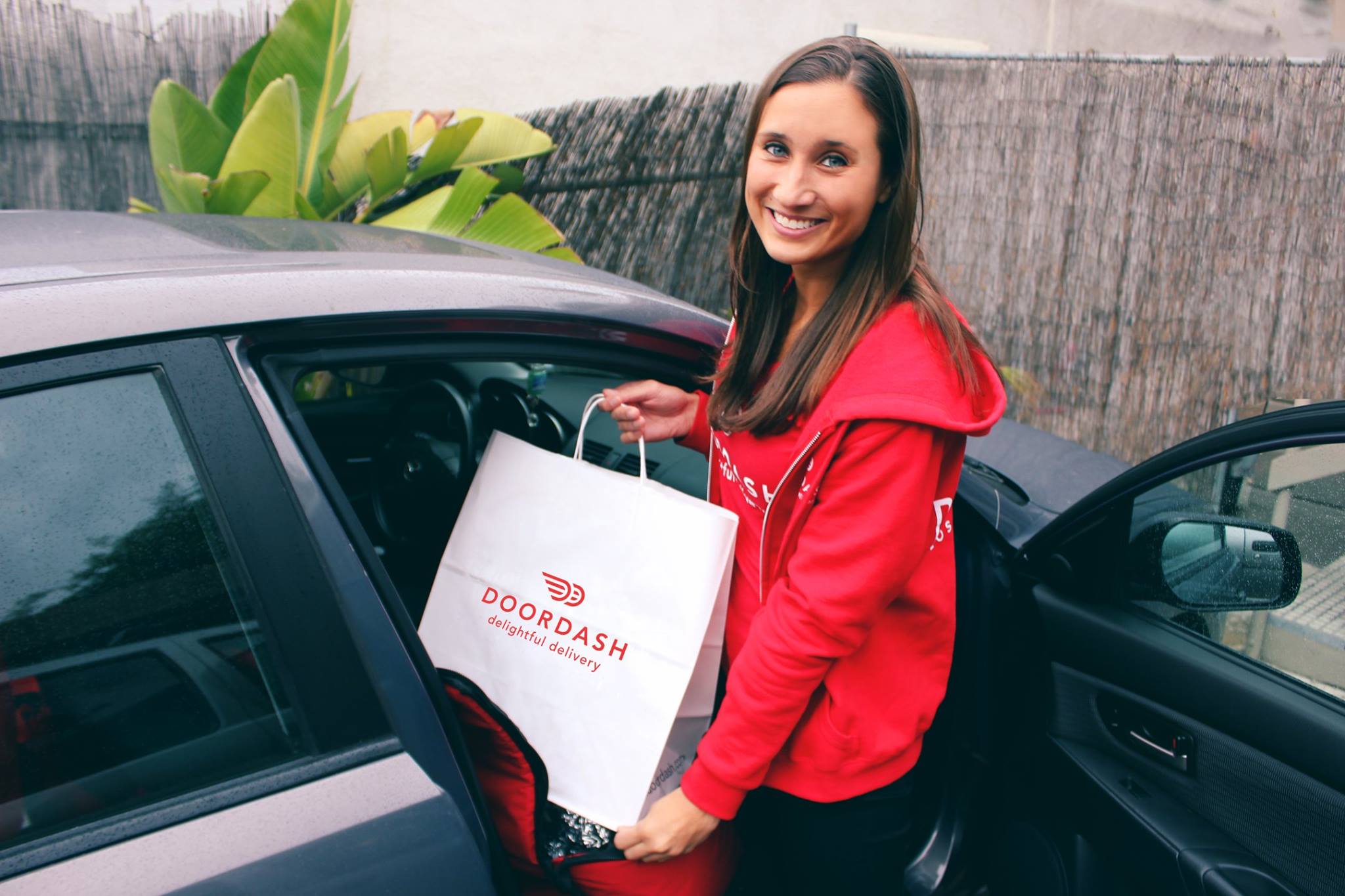
Photo Caption: Restaurant delivery services are innovating and evolving with increasing speed as the competition for restaurant business and diner dollars increases.
Skift Take
As third-party delivery services claim the both headlines and diners' dollars, they're working to make themselves indispensable to restaurant operators. But operators, especially large companies, know they have leverage when it comes to working with a large organization.
Restaurant delivery is booming, fueled by technology and customer demand. Earlier this week, Grubhub announced it had completed the integration of Eat 24, which it bought from Yelp, onto its platform slightly ahead of the schedule CEO Matt Maloney laid out after the acquisition.
Grubhub isn’t the only third-party delivery company claiming headlines, either. Earlier this month, DoorDash joined the unicorn club after a $535 million series D round led by Softbank valued the company at $1.4 billion.
How It Works
Gone are the days when the only option for a restaurant was to hire its own delivery staff. Plenty of third-party companies will handle everything from ordering to marketing to making the physical delivery. Though as these companies race to build connected and competitive networks across the country and around the world, technology is still a huge barrier to entry in some markets. All delivery companies list the phone as their top competitor right now — that is, orders phone

