It's easy for hotel chains to spend time and resources on their highest loyalty spenders. But there is plenty of money to be had at the other end of the tier as well.
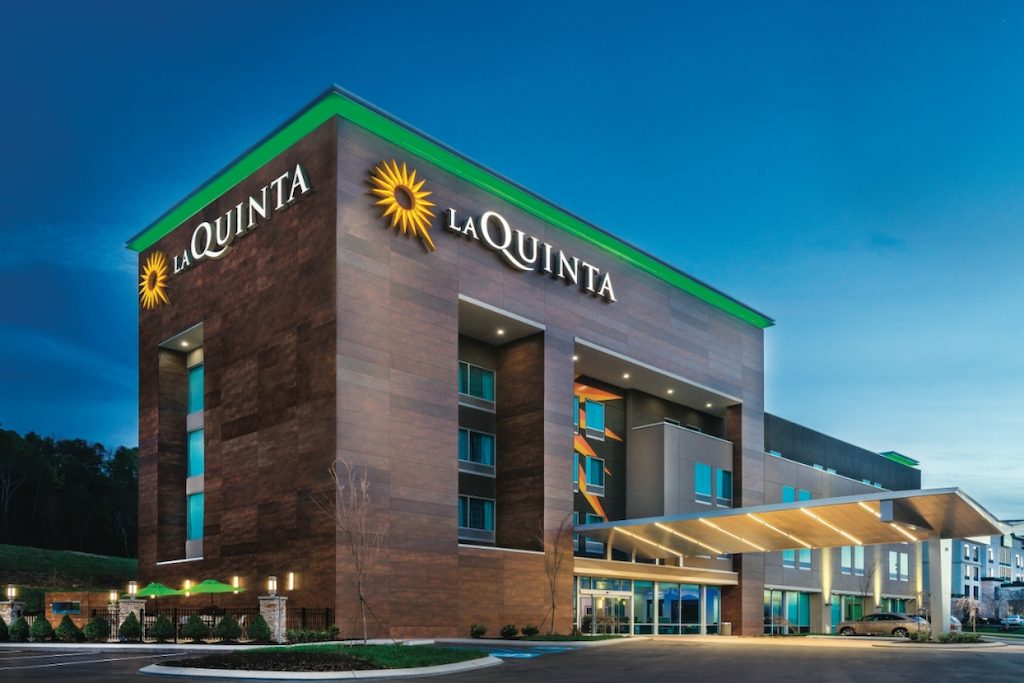
Chalk up La Quinta's poor performance in the second quarter to nothing more than a blip. The brand has always performed in line with direct competitors. But Wyndham wants to take it to another level.
Hilton understands the true conundrum of running a hotel business: Customer preferences will always change faster than the market can react. That is why the company has invested throughout the customer experience, from booking to loyalty partnerships, to keep guests happy.
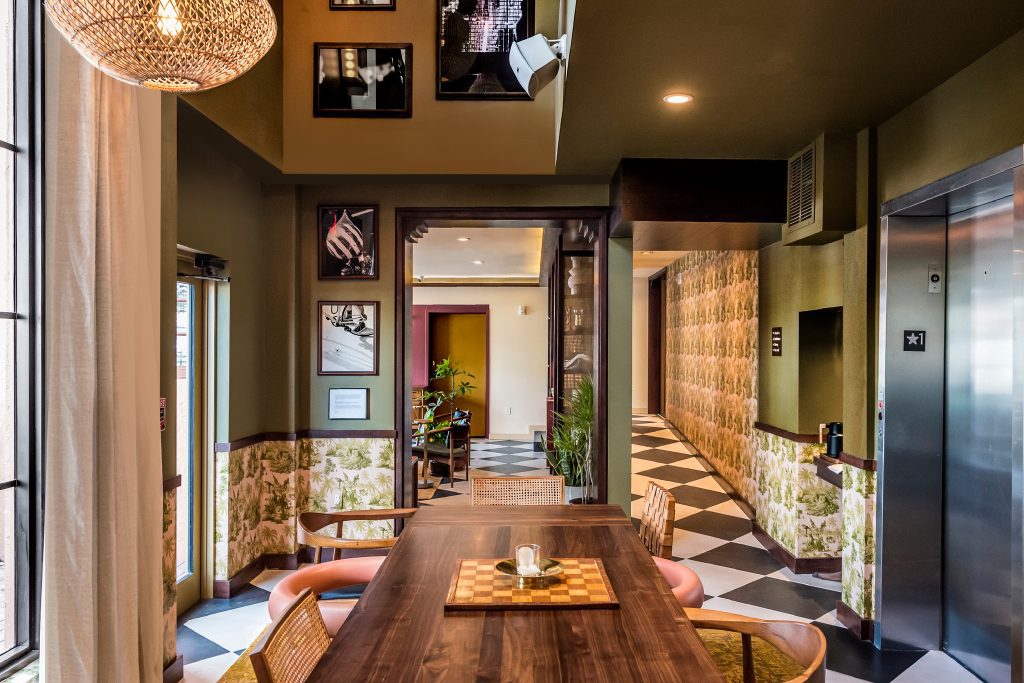
The lifestyle hotel space has gotten very crowded, especially over the last 18 months. But it appears Life House has a viable fallback plan in place in case expansion plans don't work out.
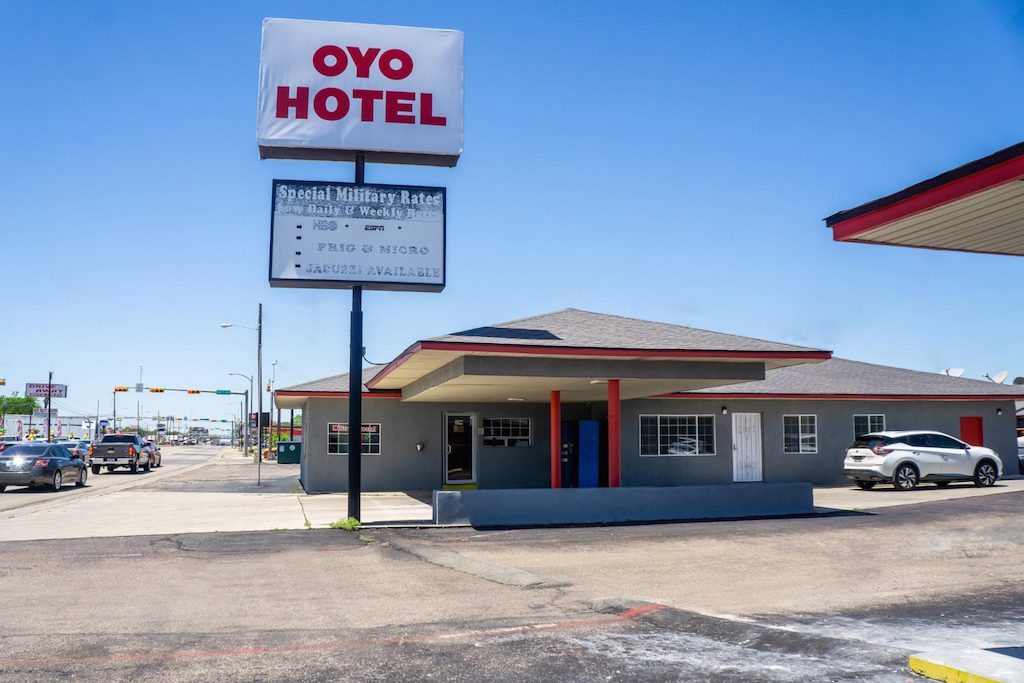
Oyo's dynamic pricing strategy could turn out to be a bit of a double-edged sword in the U.S., where the company faces greater competition. On one hand occupancy is sure to go up for many of its hotel partners, but if a majority of rooms are booked last-minute at incredibly low prices, hotel managers can start enduring some losses.
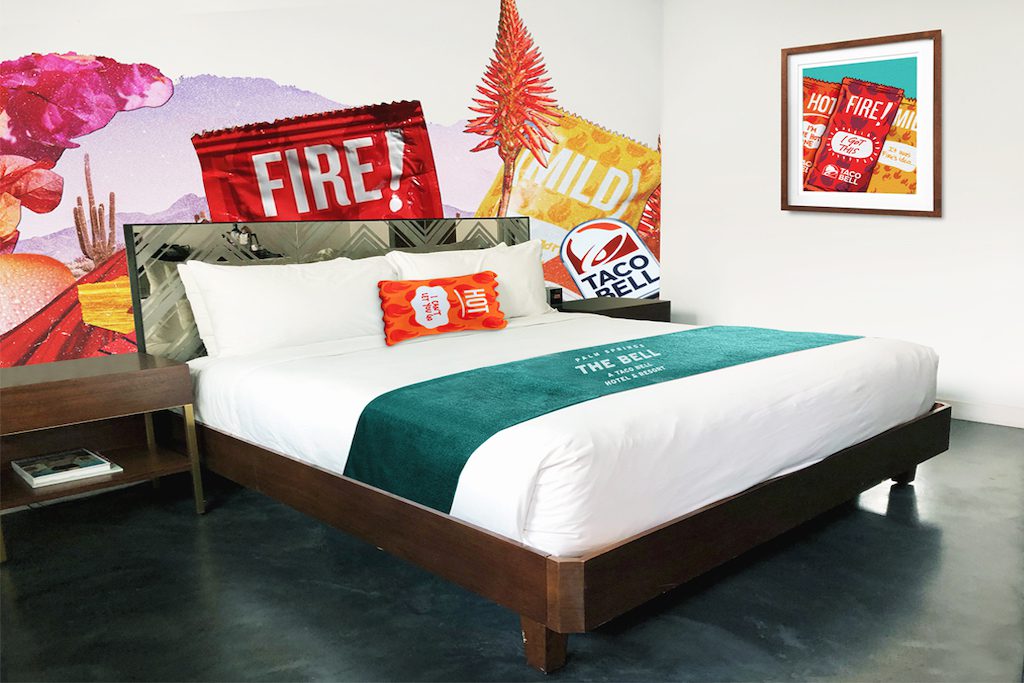
Every non-hotel brand thinks it is a hospitality company. However, as popular and successful a run as Taco Bell has enjoyed in recent years, it does not have the level of expertise to run a hotel over the long haul on its own.
Marriott's strategy for becoming part of a customer's entire travel journey, from booking to checkout, is tied heavily to its Bonvoy loyalty program. The more kinds of products the company offers, the more likely it will get what it wants.
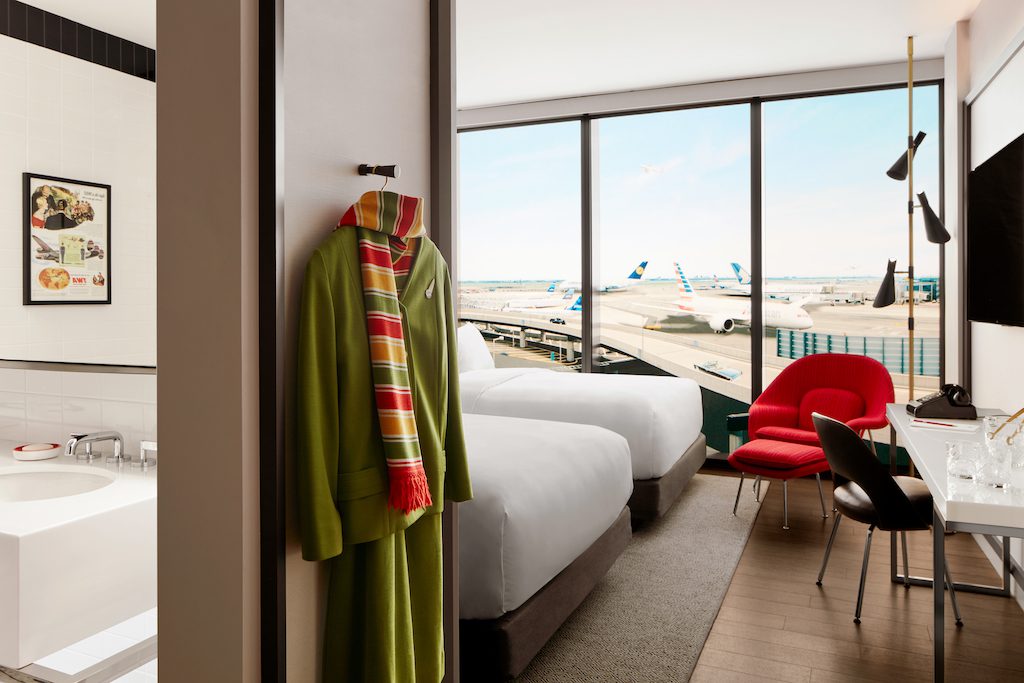
The mixed reviews of the TWA hotel on social media are not uncommon for a property that — let's face it — opened too early. What will keep customers coming, however, is the chance to experience a nostalgic hotel design that will hit home with travelers.