
Qué rastrean las aplicaciones de restaurantes en los smartphones Android
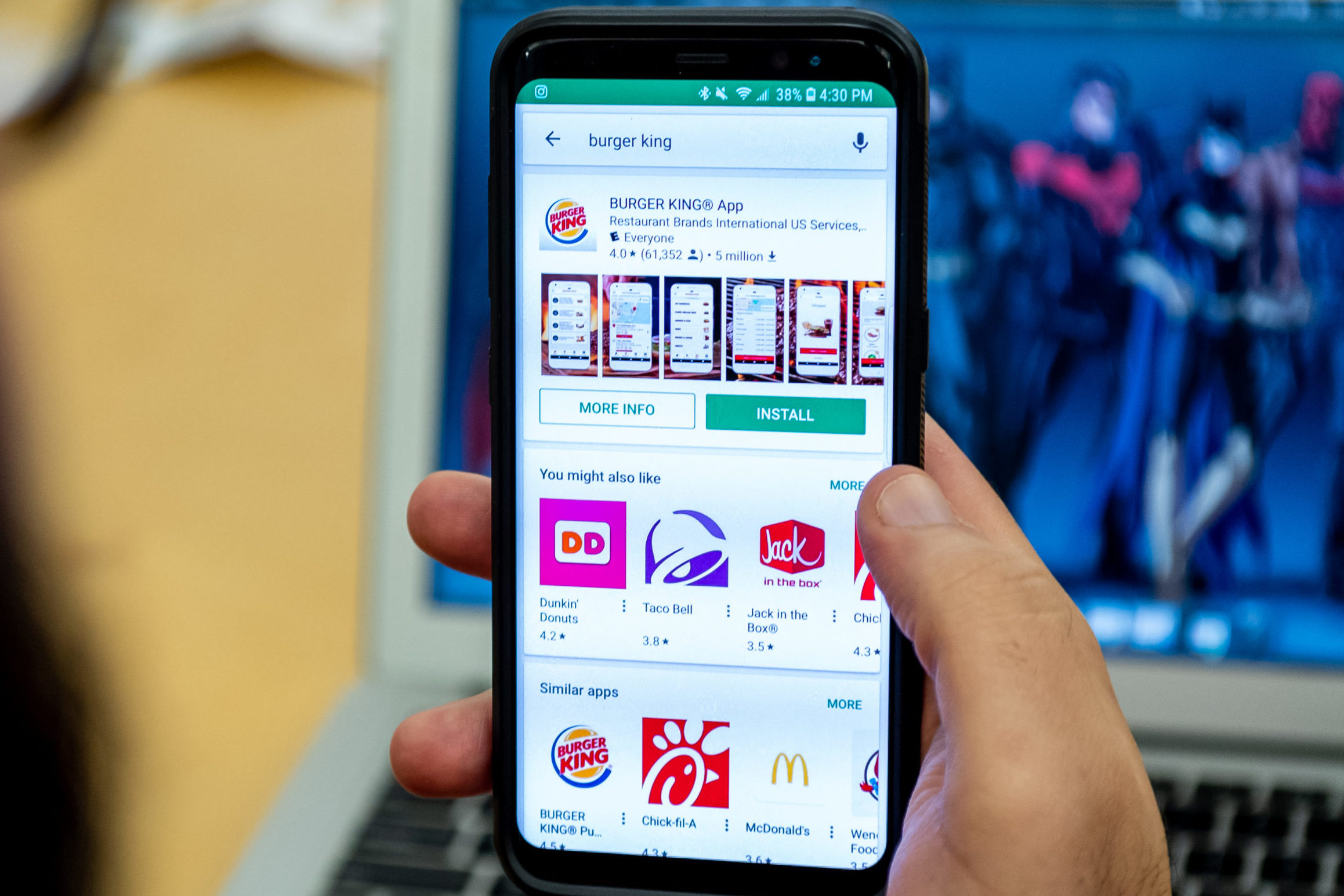
Photo Caption: Restaurant chain apps in the Google Play Store.
Skift Take
Las cadenas de comida rápida recopilan más datos en los teléfonos inteligentes de los clientes de lo que la mayoría de los consumidores creen.
Phones are very traceable, as the New York Times' exposé on ad tech companies and consumer privacy proved this week. But in fast food, restaurants are even more reliant on location data and personally identifiable information (PII) to offer customers a wide range of services.
It’s how chains run loyalty programs, manage delivery orders, and even market limited time offers (LTOs). What many users don’t know about are the ancillary benefits restaurants and chains gain from customer app downloads.
Fast-food operators can request to view other apps users interact with on their devices. In Android jargon, this permission is called “retrieving running apps,” and it can’t be turned off for ad targeting purposes. If granted location access, chains can also track customers’ every move, and see how often they dine at a competitor. By default, all fast-food apps request location access via GPS and mobile networks for the best user experience upon installation.
Burger King used its

